


A Little Caffeine, A Big Step Forward
Did you know that caffeine is one of the most commonly used medications in neonatal intensive care units (NICUs)?
It might sound surprising, but the same substance many of us rely on to start our mornings plays an incredibly important role in helping some of the tiniest babies breathe.
Now, an exciting new Australian-led clinical trial is hoping to answer a question that has remained unanswered for decades: What is the safest and most effective dose of caffeine for premature babies?
Why Do Premature Babies Need Caffeine?
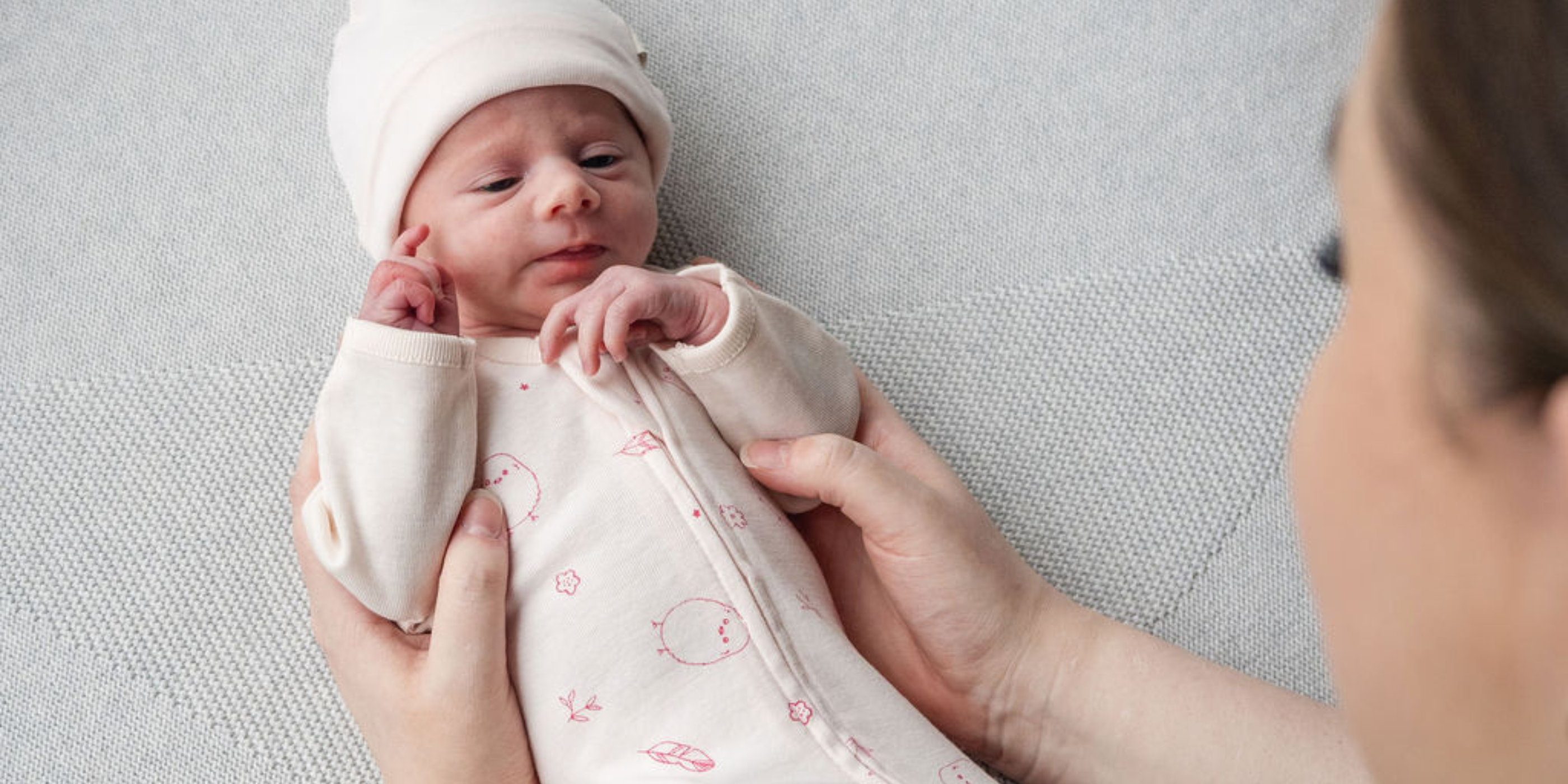
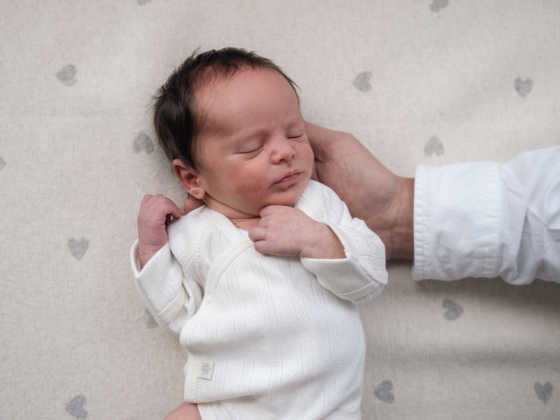
For babies born very prematurely, breathing isn't always as automatic as it is for full-term newborns.
Their brains and respiratory systems are still developing, which means they can experience pauses in breathing, known as apnoea of prematurity.
These pauses can cause oxygen levels to drop and sometimes require medical intervention.
For decades, neonatal teams have used caffeine to help stimulate a premature baby's breathing, reduce these episodes and support babies as they transition away from mechanical ventilation.
While caffeine has long been recognised as an important and effective treatment in neonatal care, there is still uncertainty about which dose provides the greatest benefit.
And that's where an exciting new study comes in.
Introducing the BabyCCINO Trial
Researchers from the University of Melbourne have announced a landmark international clinical trial called BabyCCINO (Caffeine Citrate to Improve Neonatal Outcomes).
Beginning on 22 October 2026, the trial will compare three commonly used caffeine dosing approaches to determine which is safest and most effective for very premature babies.
Led by Professor Brett Manley, a neonatologist at Melbourne's Mercy Hospital for Women, the research will involve neonatal intensive care units across Australia, New Zealand and the United Kingdom.
The study aims to provide clearer, evidence-based guidance for neonatal teams, helping ensure premature babies receive the most appropriate treatment, regardless of where they are born.
Although caffeine is already widely used in NICUs, dosing practices can vary between hospitals.
By comparing these approaches, researchers hope to better understand how caffeine treatment can be optimised to improve both immediate and longer-term outcomes for premature babies.
Small Discoveries Can Make a Big Difference
For families experiencing a NICU journey, every little milestone matters.
The first time their baby breathes without assistance. The first cuddle. The first outfit. The day they finally get to take their little one home.
Behind many of these milestones are years of medical research, dedicated neonatal professionals and advances in care that continue to improve outcomes for premature babies.
The BabyCCINO trial represents another important step forward.
Rather than introducing an entirely new treatment, researchers are looking more closely at a medication that has been used for decades, exploring how it can be made even more effective.
It's a wonderful reminder that progress in neonatal care doesn't always come from discovering something new. Sometimes, it's about better understanding the treatments we already have.
Supporting Research That Changes Tiny Lives
We're particularly pleased to see that Running for Premature Babies, an organisation close to the Earlybirds community, is among the supporters helping make this important research possible.
Founded by Sophie Smith OAM following the heartbreaking loss of her prematurely born triplet sons, Henry, Jasper and Evan, Running for Premature Babies raises funds to support lifesaving neonatal equipment and research.
The BabyCCINO trial has also received more than $3 million in funding from the National Health and Medical Research Council (NHMRC), alongside additional government research funding and philanthropic support.
It's wonderful to see the incredible impact that community fundraising and charitable organisations can have on advancing neonatal care.
Every donation, fundraising event and act of support contributes to a bigger picture: giving premature babies the best possible start in life.
Looking Towards a Brighter Future for Premature Babies
At Earlybirds, we've spent more than two decades supporting premature babies and their families through some of their earliest and most precious milestones.
We've seen how much neonatal care has evolved over the years, and we know how important continued research is for improving the experiences and outcomes of babies born too soon.
While the BabyCCINO trial is only just beginning, its findings have the potential to influence neonatal care around the world.
For the thousands of families who find themselves unexpectedly navigating life in the NICU each year, research like this offers hope for the future.
Because when it comes to our tiniest babies, even the smallest advances can make an extraordinary difference. 🤍
Read More
This blog was inspired by the University of Melbourne's announcement, Landmark Trial to Determine Optimal Treatment for Preterm Babies, published on 14 October 2026.
Read the original announcement from the University of Melbourne to learn more about the BabyCCINO trial and the researchers behind this important work.